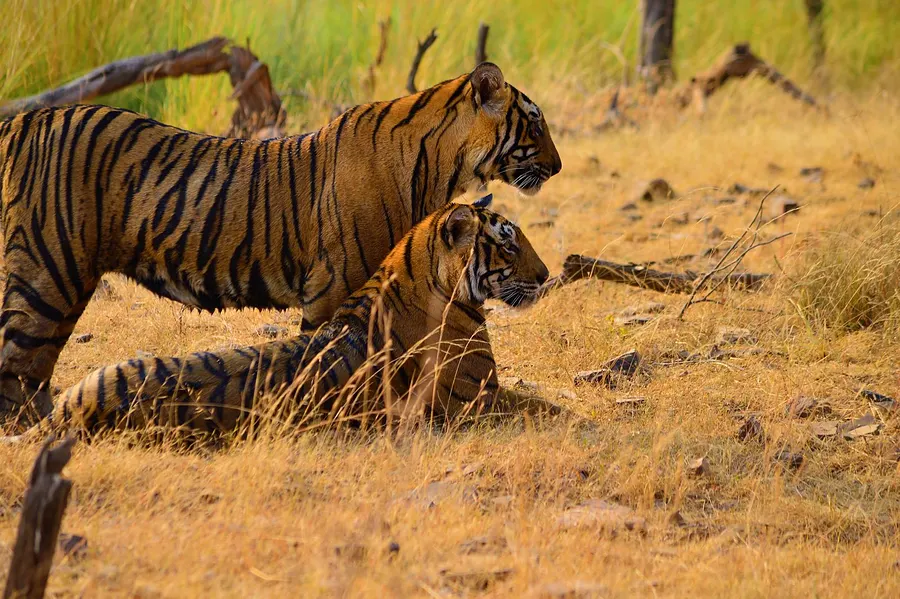
Ranthambore. Almost four hundred square kilometres of dry forest, lakes and cliffs, where the Aravalli hills meet the Vindhyas. Once the hunting ground of the Maharajas of Jaipur, it became one of India's first tiger reserves under Project Tiger, in 1973. Today, around seventy tigers live here.
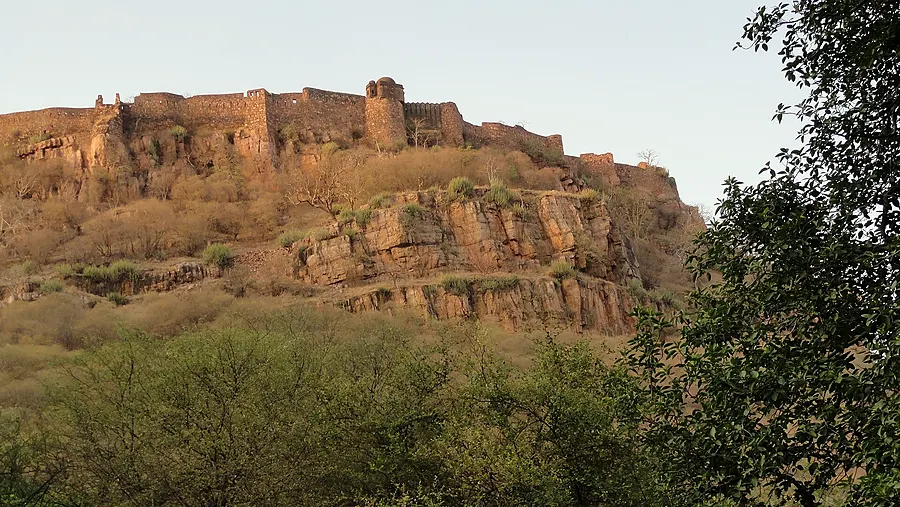
High on the rock stands Ranthambore Fort, more than a thousand years old. In 1301 its Rajput king, Hammir Dev Chauhan, held out against the armies of Alauddin Khalji for months before the fort fell. Today it is a UNESCO World Heritage Site, one of the Hill Forts of Rajasthan.
Inside the walls is the Trinetra Ganesh temple, where Ganesh is worshipped with three eyes. Families from across India still post their first wedding invitation here, addressed simply to Shri Ganesh, Ranthambore. You can visit the fort and the temple without a safari permit.
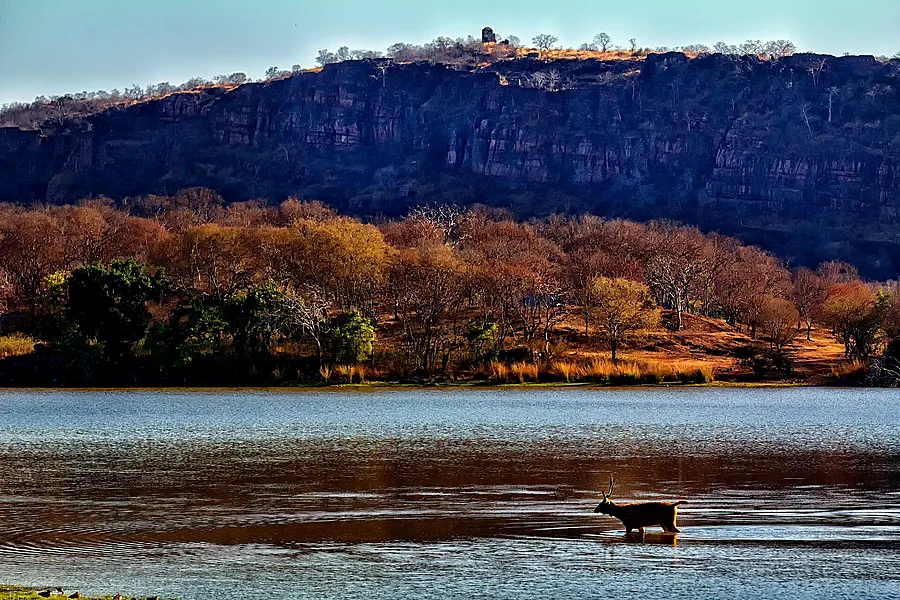
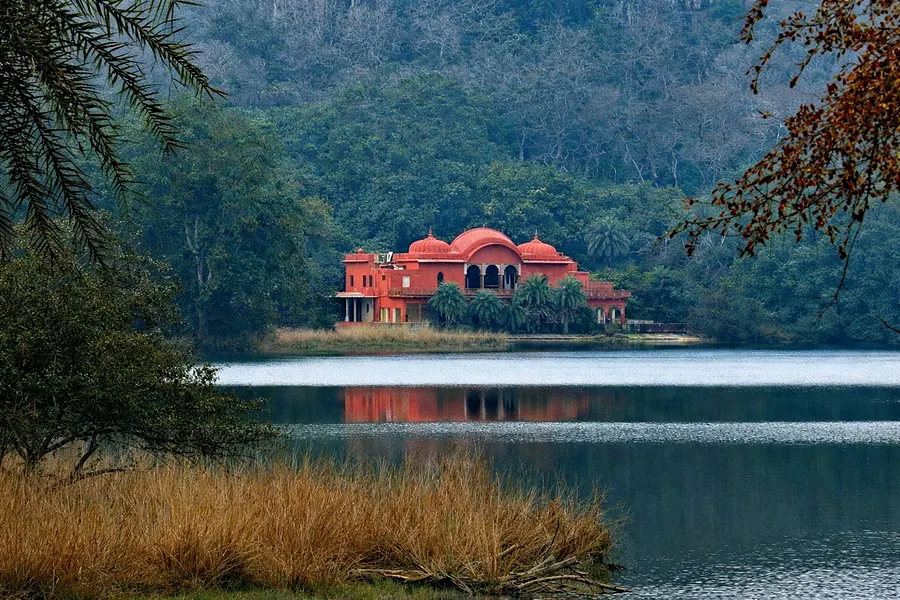
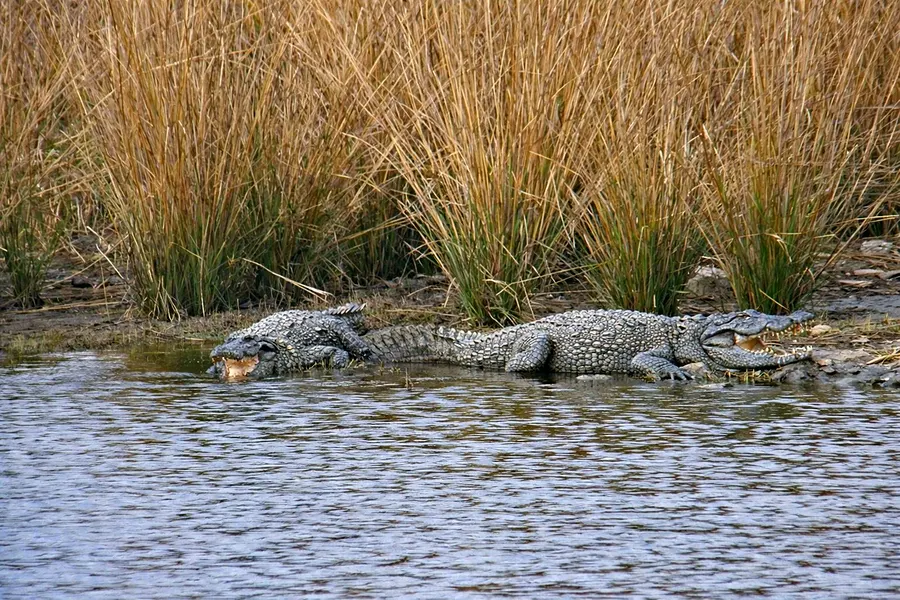
Below the fort lies Padam Talao, the largest lake in the park. On its bank is Jogi Mahal, an old hunting lodge, and one of the largest banyan trees in India. Sambar deer wade in to feed, and mugger crocodiles bask along the shore. This is zone three, the most requested zone in the park.
These lakes were the kingdom of Machli, perhaps the most photographed tigress in India. In 2003 she was filmed fighting a fourteen-foot mugger crocodile, and she won. She raised several litters, and many of Ranthambore's tigers today are her descendants. She died in 2016, at about nineteen.
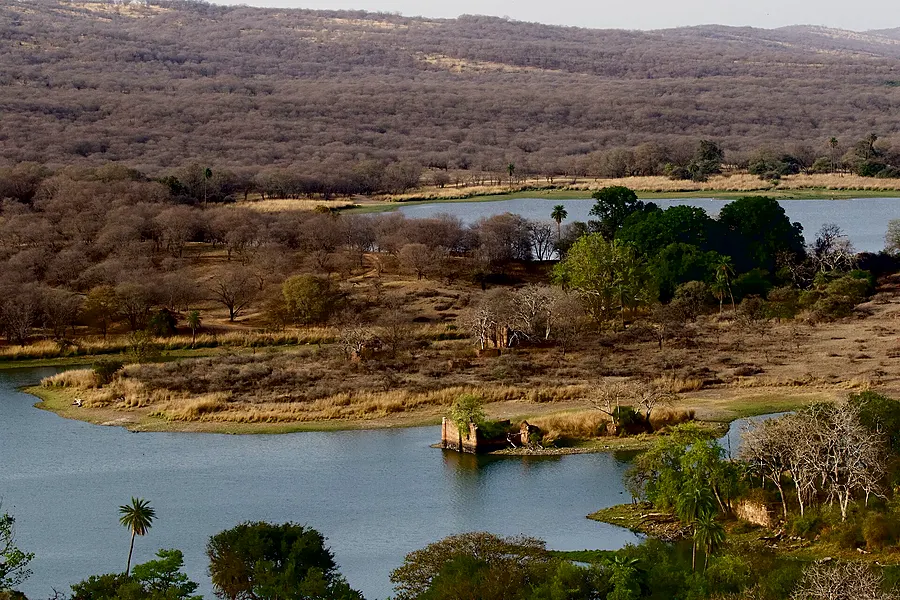
Further east is Malik Talao, the smallest of the three lakes, loved by birdwatchers and crocodiles alike. Beyond it, the forest of Lakarda and Adidaant climbs into rocky valleys. This is zone four, once part of Machli's territory.
In the hot months, life gathers around the waterholes of zone two: Phuta Kot, Nal Ghati and Lahpur. Tigers often rest in the shade near water through the afternoon. Next door, zone one climbs through Sultanpur and Amreshwar Dang, drier and hillier, with tigers crossing in from the outer park.
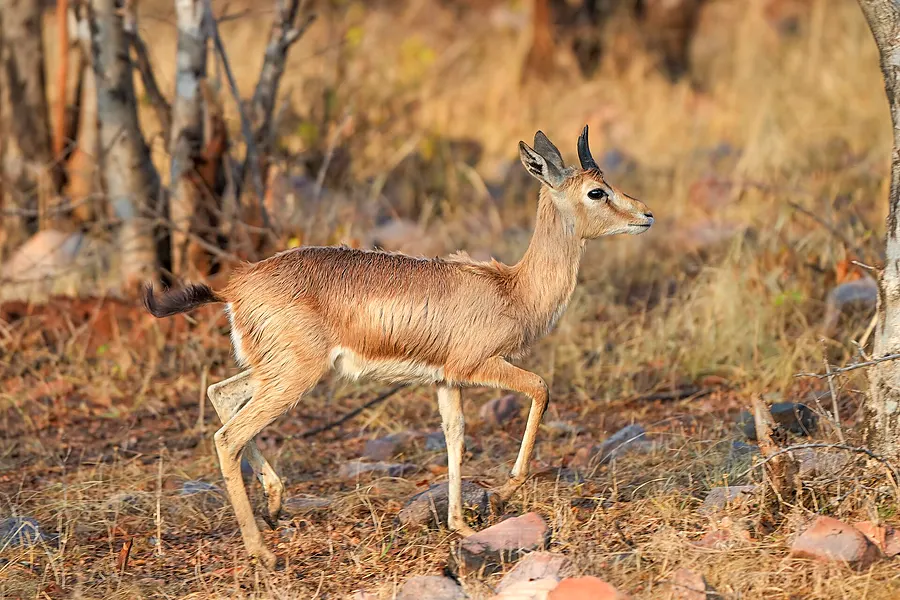
To the south and west lies the outer park: the open grasslands of Kundal, and the quiet tracks of Chidikho, Balas and Aantri. Far fewer vehicles come here. You may see vultures, chinkara and leopards, and tigers live here too, if a little more elusive. Zones eight and nine lie further out, along the Chakal river.
Your safari starts on Ranthambore Road. We pick you up free from Ranthambore Circle or Ranthambore Chaupati, or from your hotel. Morning safaris leave before sunrise, afternoon safaris after lunch. Choose your zone, add your guests, and book online in two minutes.
 RANTHAMBORE