What is in each of the ten safari zones, which one suits you, and why the Forest Department, not anyone else, decides where you go.
Ranthambore Tiger books safari permits in your name — we are not the Rajasthan Forest Department and not the official park booking website.
Ready to book? Ranthambore safari booking: canter seats from ₹2,200, permit in your name, with this week’s seat status.
Reply in 2 min · 7am–10pm · pay only after we confirm
Phone optional here · we reply by email, usually within the hour (7am–10pm)
Short answer: Ranthambore has ten safari zones. Zones 1 to 5 are the old core around the three lakes and the fort, open 1 October to 30 June. Zones 6 to 10 are the outer zones, quieter and open all year. Zone 3, with Padam Talao and Rajbagh, is the most requested, but there is no permanently best zone: tigers move, and every zone has resident animals. The Forest Department allocates zones. You can request one, but nobody can choose it for you, and a standard seat costs the same in every zone.
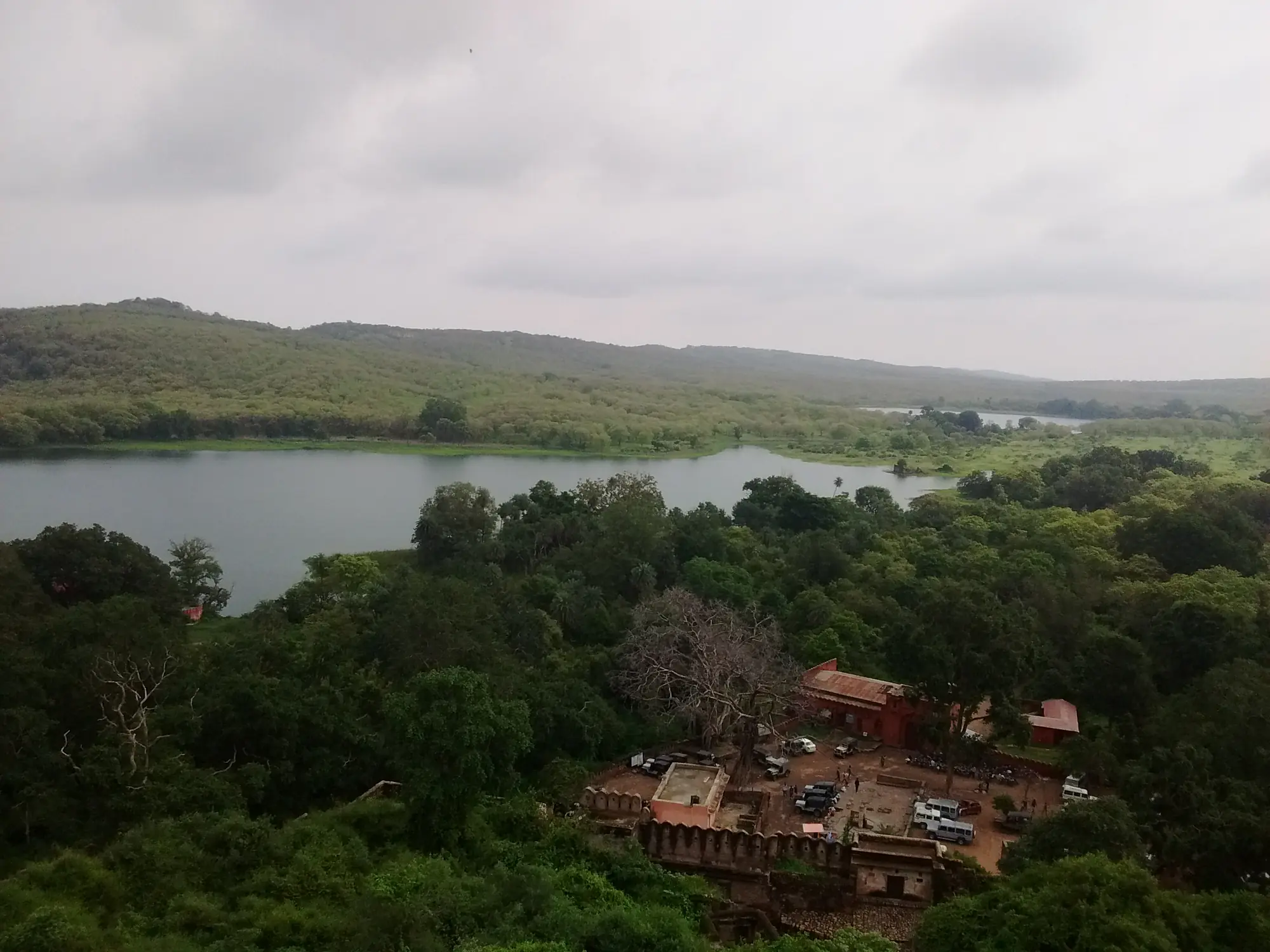
This is the map in words. Each zone is a fixed route. Your driver stays on it for the whole drive, so the zone on your permit decides what you see.
| Zone | Area and landmarks | Terrain | Best for |
|---|---|---|---|
| 1 | Singh Dwar, Sultanpur, Amreshwar Dang, Tuti ka Nalla, Peela Pani | Hilly, rocky, drier | A quieter core drive |
| 2 | Phuta Kot, Nal Ghati, Lahpur, near Jogi Mahal | Forest with many waterholes | Water-based sightings, leopards reported |
| 3 | Padam Talao, Rajbagh Talao and ruins, Jogi Mahal, High Point, Mandook | Lakes, open shoreline, ruins | Classic scenery, first-timers, photographers |
| 4 | Malik Talao, Lakarda, Adidaant, Tamakhan, Berda, Semli | Lake, mixed forest, rugged tracks | Machli's old ground, a varied drive |
| 5 | Kachida valley, Bakaula, Anantpura, Jokha | Rocky valley, cliffs, dense patches | Repeat visitors, patient drives |
| 6 | Kundal: Kala Pani, Soleshwar, Khabli | Open grassland with hills behind | Wide views, birds, chinkara, monsoon visits |
| 7 | Chidikho, Jamoda, Kushalipura | Smaller, mixed forest | Few vehicles |
| 8 | Balas, Kherai, Neemli Dang | Hilly, next to zone 7 | Landscape, a calm drive |
| 9 | Kuwalji, on the Chakal river | Riverbank forest, grassland | Offbeat drive, sloth bear |
| 10 | Aantri, Halonda, Bodal | Hilly, remote | Birds, a quiet park |
For gate times by month, see safari timings and zones.
This is the original park. The three lakes, the fort on its hill and the old hunting lodge are all here, which is why these zones sell out first. They are closed from July to September and on Wednesdays. They share the main entry, the one closest to the hotels on Ranthambore Road.
Entered through Singh Dwar. The route runs through Sultanpur, Amreshwar Dang and Tuti ka Nalla. It is hillier and drier than the lake zones. It borders zone 6, and tigers cross between the two.
Known for its many waterholes, with Phuta Kot, Nal Ghati and Lahpur on the route. Jogi Mahal is close by. Guides have long rated it well for tigers, and leopards are reported here too.
The Ranthambore of the photographs. Padam Talao is the largest lake in the park, with the old Jogi Mahal lodge on its edge. Rajbagh Talao and its ruins are close by. Mugger crocodiles, sambar and wading birds are on view most days. It is the most requested zone and the hardest to get.
Malik Talao is the smallest of the three lakes and is popular with crocodiles and birds. Lakarda, Adidaant and Tamakhan are on the route. This was once the territory of Machli, the park's most famous tigress.
Shares its entry with zone 4. The route takes in Anantpura, Kachida valley and Bakaula, a rocky, steep landscape with cliffs and thick patches of forest. It suits people on their second or third drive who want something different from the lakes.
Got a date in mind? Send it on WhatsApp. We check live seats and reply in minutes, 7am–10pm.
Check my date on WhatsAppThese zones were opened later to spread visitors across the reserve. They are open all year, closed on Tuesdays, and usually easier to book. Most are a longer drive from the hotels on Ranthambore Road. They have resident tigers of their own, and in the monsoon they are the only zones running.
Open grassland with hills behind it, so visibility is wide. Kala Pani, Soleshwar and Khabli are on the route. It is known for birds, including the red-headed vulture, and for chinkara (Indian gazelle). It borders zone 1.
A smaller zone with fewer sighting points than most, around Chidikho, Jamoda and Kushalipura. Very few vehicles. Good if you want a quiet drive and can live with lower odds.
Next to zone 7, and hilly, with views over the Aravalli ridges. Balas, Kherai and Neemli Dang are on the route. Wildlife is thinner than in the core, but the country is handsome and the drive is calm.
The furthest zone, on the banks of the Chakal river, about 45 minutes' drive from the main park. Riverside forest and grassland. Sloth bear are seen here, and caracal has been reported. Budget extra time for the drive in and out.
Opened in January 2014, the newest zone. Hilly and remote, around Aantri, Halonda and Bodal. Good for birds, with few other vehicles. Tigers live here, but sightings are less regular than in the core.
First, the honest bit. You can request a zone. The Forest Department's system allocates it. We pass on your request and tell you how likely it is, but no operator can guarantee a zone, and you should be wary of anyone who says otherwise. Here is what we would request for you.
The single best thing you can do for your odds is more drives across different zones. Three drives in two or three zones beat one drive in last year's famous zone. Ready to book? Start at safari booking.
There is no permanently best zone. Zone 3, with Padam Talao and Rajbagh, is the most requested for its scenery, and zones 1 to 5 hold the classic core. But tigers move, and the outer zones have resident tigers too. The best zone is wherever the animals are moving that week.
Padam Talao, the largest lake in the park, with Jogi Mahal on its edge, plus Rajbagh Talao and its ruins, High Point and Mandook. It is the most photographed part of the reserve and the hardest zone to get on peak dates.
You can request one when you book. Zones are allocated by the Forest Department's system, so no operator can promise one. We tell you honestly how likely your request is, and the zone is printed on your permit once it is issued.
Yes. A standard seat costs the same whichever zone you are allocated. The price changes with the vehicle, gypsy or canter, and with nationality, not with the zone. Tatkal full-vehicle permits are the one exception: we quote those for your date and zone before you pay.
Zones 1 to 5 close from 1 July to 30 September, and zones 6 to 10 stay open all year. Through the season, zones 1 to 5 do not run on Wednesdays and zones 6 to 10 do not run on Tuesdays.
Yes, these zones have resident tigers, though sightings are less regular in the smaller and more remote ones. No one can promise a tiger in any zone, core or outer. More drives give you better odds.
Sold out online? Ask us. We book from the daily current and tatkal quotas, and you pay only after we confirm availability, with a full refund if the permit can’t be issued.
Check my date on WhatsAppTell us your date, your group size and the zone you would like. We check which zones still have seats for your shift, request your preference, and reply in minutes, 7am to 10pm. You pay only after the permit is confirmed.
 RANTHAMBORE